Blog
/
Customer Acquisition
Online Ordering for Restaurants: How to Keep 100% of Your Revenue
Stop losing 15-30% of every delivery order to third-party platforms. Here's how direct online ordering puts that money back in your pocket.
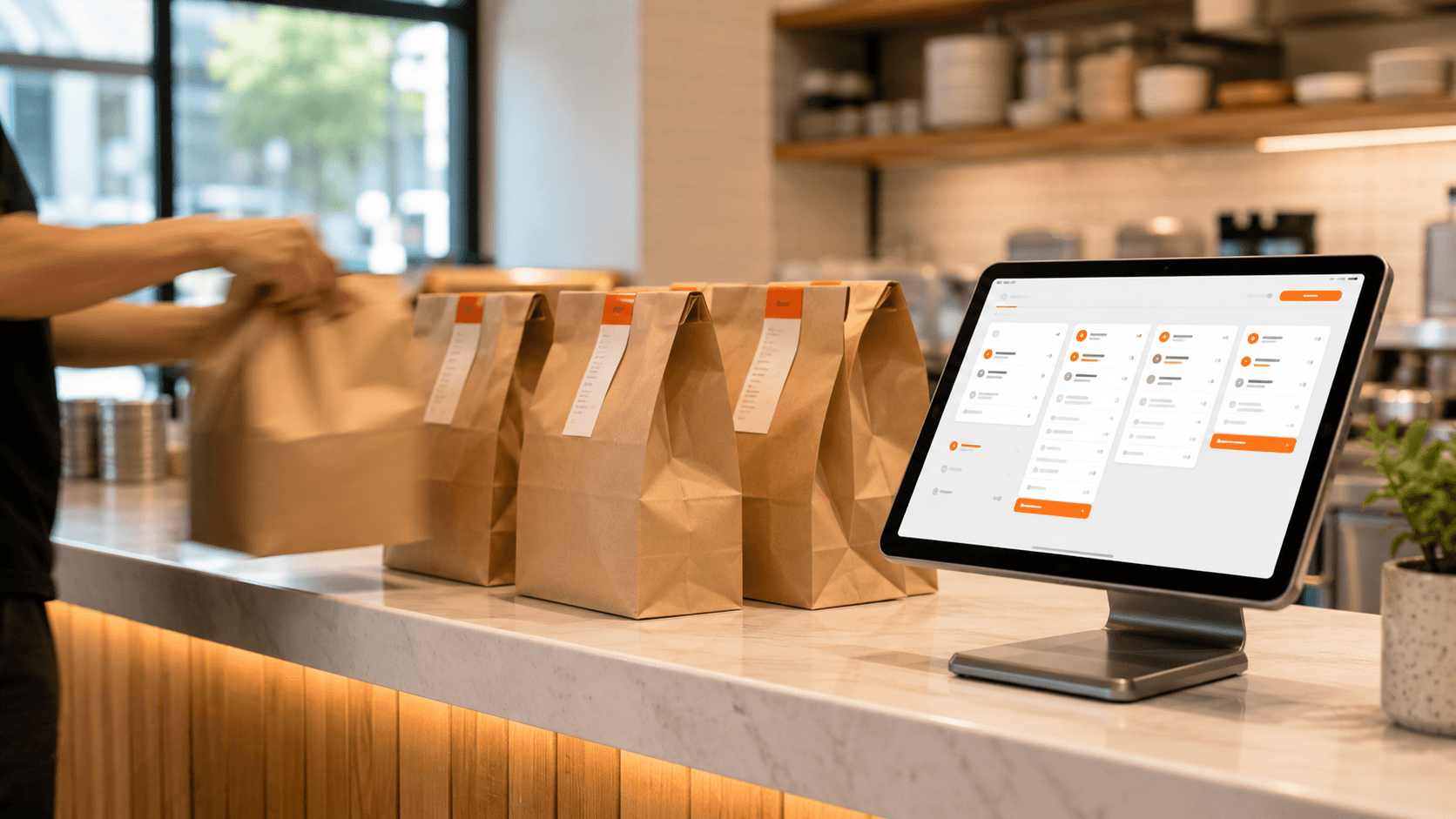
Every time a customer orders through a third-party delivery app, your restaurant loses a significant chunk of revenue to commissions. Online ordering for restaurants through your own branded channels changes that equation entirely. Instead of handing 15% to 30% of every order to a marketplace, you keep the full amount.
This guide breaks down exactly how much third-party platforms cost you, what direct online ordering looks like in practice, and how to set up a system that protects your margins while giving customers a better experience.
The Real Cost of Third-Party Delivery vs Online Ordering for Restaurants
Third-party delivery platforms like DoorDash, Uber Eats, and Grubhub charge restaurants commission rates ranging from 15% to 30% per order. These fees vary by plan tier, but even the lowest-cost options take a meaningful bite out of already-thin restaurant margins.
Here is what that looks like in real dollars. If your restaurant processes $5,000 in monthly delivery orders through a third-party platform at an average 25% commission rate, you are paying $1,250 per month just in marketplace fees. That is $15,000 per year — money that could go toward payroll, ingredients, or marketing.
The problem goes beyond commissions. When customers order through a marketplace, the platform owns the relationship. You lose access to customer contact information, order history, and the ability to market directly to those diners. Every order builds the platform's brand — not yours.
Third-party platforms also control the experience. They set delivery time estimates, handle customer service complaints, and decide how your restaurant appears in search results. One algorithm change can drop your visibility overnight.
What Is Direct Online Ordering?
Direct online ordering means customers place orders through channels you own: your restaurant's website, your branded mobile app, or a QR code at the table. The order goes straight into your POS system without a middleman taking a cut.
This model differs fundamentally from the marketplace approach. On DoorDash or Uber Eats, your restaurant is one of hundreds listed on someone else's platform. With direct ordering, customers interact with your brand from start to finish.
The key advantages of direct online ordering include:
You keep 100% of the order revenue (minus standard payment processing fees)
You own all customer data — names, emails, phone numbers, order history
You control the brand experience — menu presentation, promotions, and messaging
You build direct relationships that drive repeat business through loyalty programs and targeted marketing
Direct ordering does not mean you have to abandon third-party platforms entirely. Many restaurants use a hybrid approach: maintaining a presence on DoorDash for discovery while actively driving repeat customers to their own ordering channels.
Key Features in Online Ordering for Restaurants
Not all online ordering for restaurants solutions are created equal. Here are the features that separate effective systems from ones that create more headaches than they solve.
Branded Ordering Website
Your ordering website should look and feel like an extension of your restaurant's brand. Customers should see your logo, your colors, and your menu photography — not a generic template. A branded site builds trust and reinforces recognition with every order.
Branded Mobile App
A dedicated mobile app gives you a permanent spot on your customer's phone. Unlike a website bookmark that gets forgotten, an app icon serves as a constant reminder. Look for a platform that can launch a custom-branded app quickly, without requiring months of development time.
QR Code Ordering
QR code ordering bridges the gap between dine-in and digital. Customers scan a code at the table, browse the menu on their phone, and place orders without waiting for a server. This increases table turnover and average ticket size while reducing order errors.
Menu Sync with POS
Your online menu must stay synchronized with your POS system in real time. When a menu item sells out, it should disappear from your online ordering page immediately. When you update prices or add seasonal specials, those changes should flow automatically across all channels.
Push Notifications
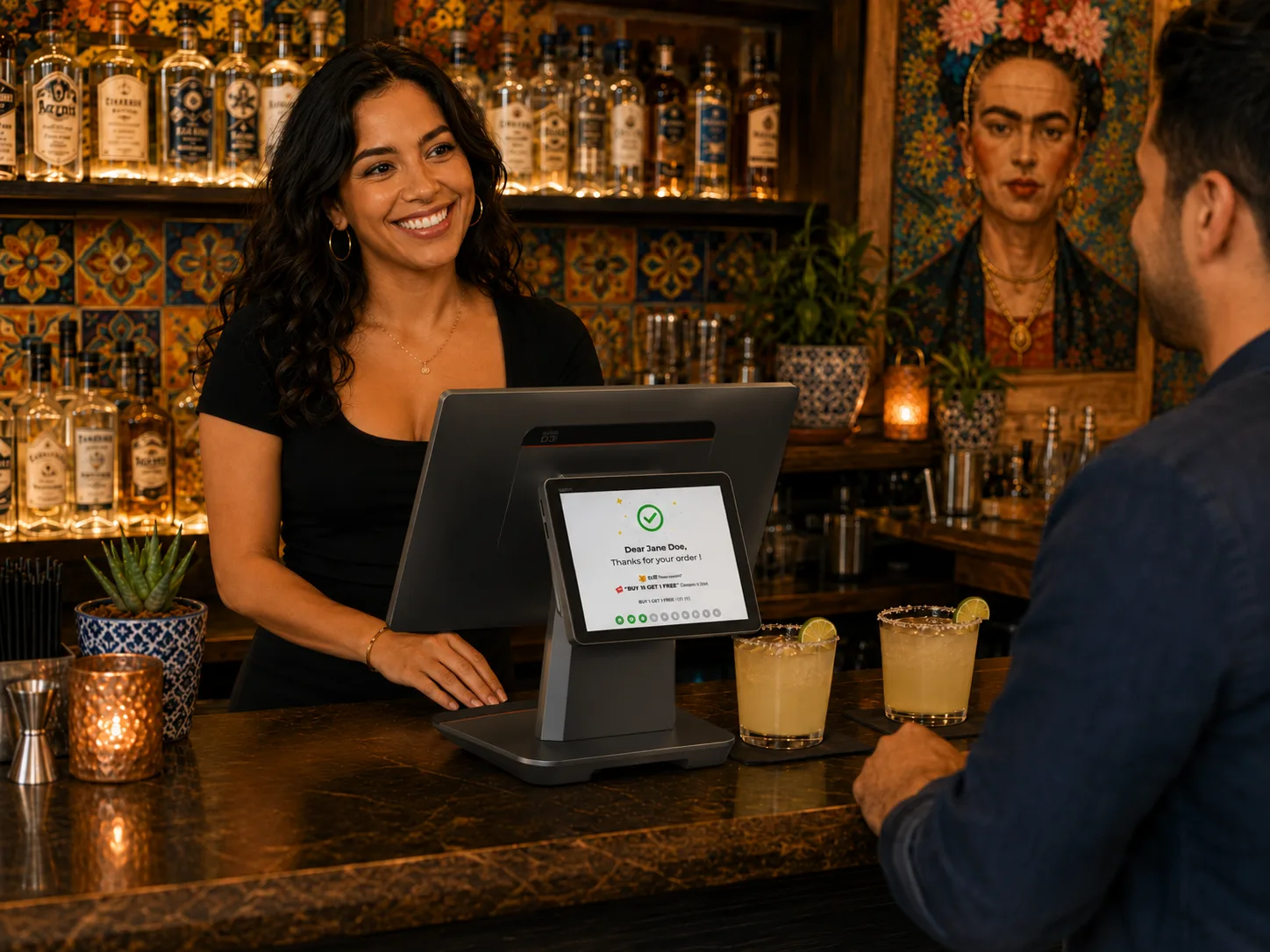
Push notifications let you reach customers directly on their phones with promotions, new menu items, or order status updates. Unlike SMS, push notifications are free to send and appear instantly on the lock screen. They are one of the most effective tools for driving repeat orders.
Loyalty Program Integration
The best online ordering systems connect directly to your loyalty program. Customers earn and redeem points whether they order online, through the app, or in-store. This unified experience encourages customers to order direct instead of going through a third-party app where they earn no rewards.
How Peblla's Online Ordering Works
Peblla provides a complete direct ordering ecosystem designed specifically for restaurants. Here is what the system includes and how it works in practice.
No commission on any order, ever.
Peblla charges a flat monthly fee for its online ordering tools. There are no per-order commissions, no hidden percentage fees, and no charges passed to the customer. Every dollar of revenue from your online orders stays with you.
Branded app built for your restaurant.
Peblla creates a custom mobile app under your restaurant's brand — your name, your logo, your colors — available on both iOS and Android. The app includes online ordering, loyalty program integration, and push notifications out of the box.
QR code ordering for dine-in.
Customers scan a QR code at the table to view your full menu, customize items with modifiers and add-ons, and place orders directly from their phone. Orders flow straight to your POS and kitchen display system (KDS) — no manual entry needed.
POS and KDS sync.
Every online order — whether from the website, app, or QR code — automatically syncs with Peblla's POS and kitchen display system. Kitchen staff see online orders alongside dine-in and counter orders in one unified queue, reducing confusion and speeding up fulfillment.
Push notifications and marketing tools.
Send targeted promotions directly to customers who have your app installed. Welcome messages for new members, birthday offers, reorder reminders, and flash sale alerts all drive repeat business without the cost of SMS campaigns.
Trusted by 1000+ restaurants across the U.S.
From local diners to chains like Gong Cha (65 U.S. locations), restaurants using Peblla's integrated system have seen measurable results. Gong Cha's app-based VIP program generated 42,000 opt-ins and a 27% lift in repeat orders within three months.
Restaurants like Silvestre Chicken saw a direct boost in sales after implementing Peblla's ordering system, adding 56 new registered members with a total lifetime value of $1,381 in just one week. Hunan Cafe Warrenton — a top-performing Peblla client — generated $4,700 in incremental orders over six months through the platform's direct ordering channels.
Online Ordering vs. Third-Party Delivery: Side-by-Side Comparison
Feature | Third-Party Platforms | Direct Online Ordering (Peblla) |
|---|---|---|
Commission per order | 15%–30% | 0% |
Customer data ownership | Platform owns data | You own all data |
Branding | Platform branding | Your restaurant's brand |
Mobile app | Listed on their app | Your own branded app |
Menu control | Platform-dependent | Real-time POS sync |
Push notifications | Not available to you | Unlimited, free |
Loyalty integration | Separate or none | Built-in loyalty program |
POS/KDS integration | Limited or manual | Automatic sync |
Customer relationship | Platform controls | You control |
Pricing model | Per-order percentage | Flat monthly fee |
The table above highlights the structural differences. Third-party platforms make sense for customer acquisition and discovery, but direct ordering is where you build long-term profitability and customer loyalty.
The smartest strategy for most restaurants is both: use marketplaces to attract new customers, then convert them to your direct channels where you keep full margins and build lasting relationships.
Frequently Asked Questions
How much does online ordering cost for restaurants?
Costs vary widely depending on the provider. Third-party marketplaces charge 15% to 30% per order in commissions. Direct ordering platforms like Peblla charge a flat monthly software fee with zero per-order commissions. Standard credit card processing fees (typically 2.5% to 3%) apply to all online transactions regardless of provider.
Can I use online ordering and DoorDash at the same time?
Yes. Many restaurants run a hybrid strategy where they maintain a presence on DoorDash, Uber Eats, or Grubhub for new customer discovery while actively encouraging repeat customers to order through their own branded website or app. Peblla's POS system supports third-party platform integration alongside direct ordering, so all orders — regardless of source — appear in one unified system.
How long does it take to set up online ordering?
With Peblla, restaurants can have a fully branded ordering website and mobile app live within days. The system syncs directly with your POS, so your existing menu imports automatically. Staff training is minimal because online orders appear in the same workflow as dine-in and counter orders.
Does online ordering increase restaurant revenue?
Yes. Restaurants that add direct online ordering typically see revenue growth from two sources: new orders from customers who prefer digital ordering, and higher average ticket sizes. Online orders tend to have larger ticket values than phone or counter orders because customers browse the full menu and add extras without feeling rushed. Peblla clients like Gong Cha have reported a $1.87 increase in average check size after implementing app-based ordering.
What is the best online ordering system for small restaurants?
The best system for a small restaurant is one that integrates with your existing POS, requires minimal technical setup, and charges a flat fee rather than per-order commissions. Look for solutions that include a branded website, mobile app, QR code ordering, and built-in marketing tools. Peblla's platform is purpose-built for independent and multi-location restaurants, with full POS integration and multilingual support (English, Spanish, Chinese, Korean) — making it particularly strong for diverse U.S. markets.
Ready to Keep 100% of Your Delivery Revenue?
Every month you spend on third-party commissions is money that could go toward growing your restaurant. With Peblla's direct online ordering, you keep your revenue, own your customer data, and build a brand that customers come back to again and again.
Schedule a free demo to see how Peblla's online ordering system works for your restaurant. Our team will walk you through the setup process, show you the branded app experience, and answer any questions about making the switch from third-party-dependent to direct ordering.
